


Men's Mental Health Month 2026: Why Men Don't Seek Mental Health Help and How to Change That
Hi, I want to talk about something that has been on my mind a lot lately, especially as we move into June. Men's Mental Health Month. But here's the honest part: most men still won't talk about it. Not because they don't want to. But because something deeper is stopping them.
I've spent twelve years working in mental health and wellness, and I've noticed a consistent pattern. When women struggle, they tend to reach out. When men struggle, they tend to disappear. They work longer hours. They isolate. They push harder. And the silence becomes louder than the pain itself.
This month, I want to break that silence. Not with judgment. Just with honesty.

Men's Mental Health in 2026: Rising Rates and the Cost of Silence
Let's start with what the numbers tell us. Young people's mental health has been declining sharply over recent years. In 2022, nearly 17% of young people aged 5-16 reported experiencing a mental health problem, up from just 11% in 2017. For teenagers aged 17-19, the jump is even starker: 25% likely experienced a mental health problem in 2022, compared to 10% in 2017.
But here's what often gets overlooked: men at every age are far less likely to seek help for these struggles.
Male suicide rates in the UK are three to four times higher than female rates. Men are statistically less likely to access mental health services, yet they die by suicide at a significantly higher rate. This isn't coincidence. This is the cost of silence.
What Stops Men From Seeking Mental Health Help?
I've heard these barriers articulated by countless men over the years. And they're not excuses. They're real obstacles rooted in how we've taught men to be.
"Real Men Don't Need Help"
From childhood, boys learn a specific message about strength. Strength means independence. Strength means not burdening others. Strength means handling it alone. Asking for help feels like admitting you're weak, broken, not man enough.
This conditioning runs deep. It's generational. Fathers pass it to sons. Culture reinforces it. By the time a man is struggling with anxiety or depression, he's already spent decades believing that reaching out is a sign of failure.
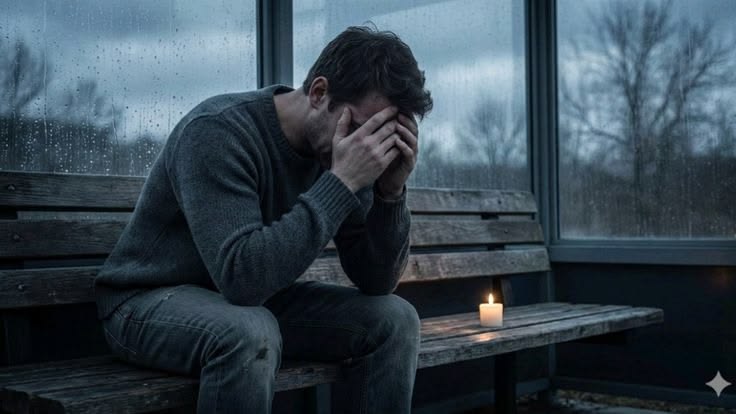
Shame and the Fear of Being Seen
There's real shame attached to male mental health struggles. Fear of being judged. Fear that admitting struggle will affect your career, your relationships, how people see you. Fear that once you're vulnerable, people won't respect you anymore.
In workplaces especially, men worry that disclosing mental health challenges will be held against them. That vulnerability will be seen as weakness. That they won't be taken seriously for promotions or leadership.
Men Experience Mental Health Differently
Here's something crucial that many men don't realise: depression and anxiety look different in men than in women. Men don't always experience depression as sadness. They experience it as anger. Irritability. Physical tension. A general sense that everything is harder.
A man might not recognise his own anxiety because it shows up as work obsession, relationship conflict, or physical strain rather than the textbook "worried and sad" narrative. So he doesn't seek help. He just thinks he's tired, or his partner is difficult, or he's losing his edge.
Fear of Loss of Control
Many men resist therapy because they fear losing themselves. Fear that medication will change who they are. Fear that therapy means becoming dependent on someone else's guidance. Fear of being "fixed" in ways they don't choose.
This fear is understandable. Mental health support feels like surrendering control. And men have been taught that control is everything.
Not Knowing Where to Start
Even men who recognise they're struggling often don't know what help looks like. Where do you go? What happens in therapy? Will you have to talk about your feelings endlessly? Will someone judge you? The uncertainty becomes another barrier.
The Cost of This Silence
What happens when men don't seek help isn't subtle. It shows up everywhere.
Physically, the stress of suppressed emotions creates tension, poor sleep, digestive issues, and weakened immunity. The body keeps score of emotional pain even when the mind tries to ignore it.
Relationally, emotional unavailability erodes partnerships. Partners feel rejected. Children grow up watching fathers model emotional disconnection. The pattern continues into the next generation.
At work, the pressure to perform without support leads to burnout. Men push harder, work longer, sacrifice their health, until suddenly they can't anymore. The collapse is often dramatic because there's been no gradual processing, no support system catching them.

How Men Can Actually Start Asking for Help
Here's what I want to say directly: asking for help is not weakness. It's the opposite. It takes real courage to break conditioning that deep.
If you're a man reading this and recognising yourself, here are practical first steps.
Start Small
You don't have to tell your story to a stranger. Talk to someone you trust. A friend. A family member. Someone safe. Just say it out loud: "I'm struggling."
Reframe What Help Means
Help doesn't mean becoming dependent or losing yourself. It means gaining tools and perspective. It means having someone trained to see patterns you can't see alone. It means being able to think more clearly because you're not carrying everything alone.
Find the Right Kind of Support
Not all therapy is the same. Some men respond better to goal-focused coaching than traditional talk therapy. Some prefer online sessions for privacy. Some want practical anxiety management techniques before exploring deeper emotional work. That's all valid. Find what works for you.
Life and transformation coaching, anxiety management, therapeutic support, NLP techniques, stress management, there are many approaches. The right one is the one that resonates with how you actually work.
What Support Actually Looks Like for Men
I've seen men transform when they finally ask for help. And they do it in their own way, on their own timeline.
Some men need structure and practical tools first. They want to understand what's happening physiologically. They want techniques they can use immediately. Anxiety and stress management approaches work well.
Other men need someone who understands male psychology. Someone who doesn't pathologise their experience but helps them see patterns. Someone who respects their independence while gently challenging their isolation.
And some men need integrated support. Medical insight alongside emotional work. Coaching for direction alongside therapeutic support for healing. Practical stress management techniques alongside deeper identity exploration.
The key is finding practitioners who understand that men often need permission to be vulnerable, not pressure.
How Men Can Use Men's Mental Health Month to Start Getting Support
June is not just about awareness. It's about permission. Permission to admit you're struggling. Permission to ask for help. Permission to do it your way, in your timeframe, without judgment.
This month, if you're a man carrying something heavy, I'm inviting you to put it down. Not alone. With someone trained to help.
If you're someone who loves a man who's struggling, I'm inviting you to create space for him to be honest. Don't push. Just create safety.

Conclusion
The silence around men's mental health costs lives. Real lives. Real families. Real futures.
But silence can change. One conversation at a time. One man deciding that asking for help is an act of strength, not weakness.
Men's mental health matters. Your struggles matter. Your healing matters. And you don't have to do it alone.
If you're ready to explore what support could look like for you, Flowergrid offers integrative wellness approaches designed around how men actually work. Life coaching, therapeutic support, stress management, and practical tools. No judgment. Just genuine care.
Book a discovery call if you want to explore what's possible for you this month.
You're not alone here. Even if it's felt that way for a very long time.